
Research shows that people who consistently track their food intake have more success losing weight and keeping it off. One study followed participants for a year and found that people who completed a food diary at least five days of each week showed significant and sustained weight loss over time as compared to those who tracked fewer days during the program. This study also concluded that inconsistent tracking did not impact weight loss, and individuals who tracked inconsistently did not differ in their overall weight loss from those who rarely track. So, it’s not a sliding scale – participants were either consistently tracking and successful at losing/maintaining weight, or they were not.
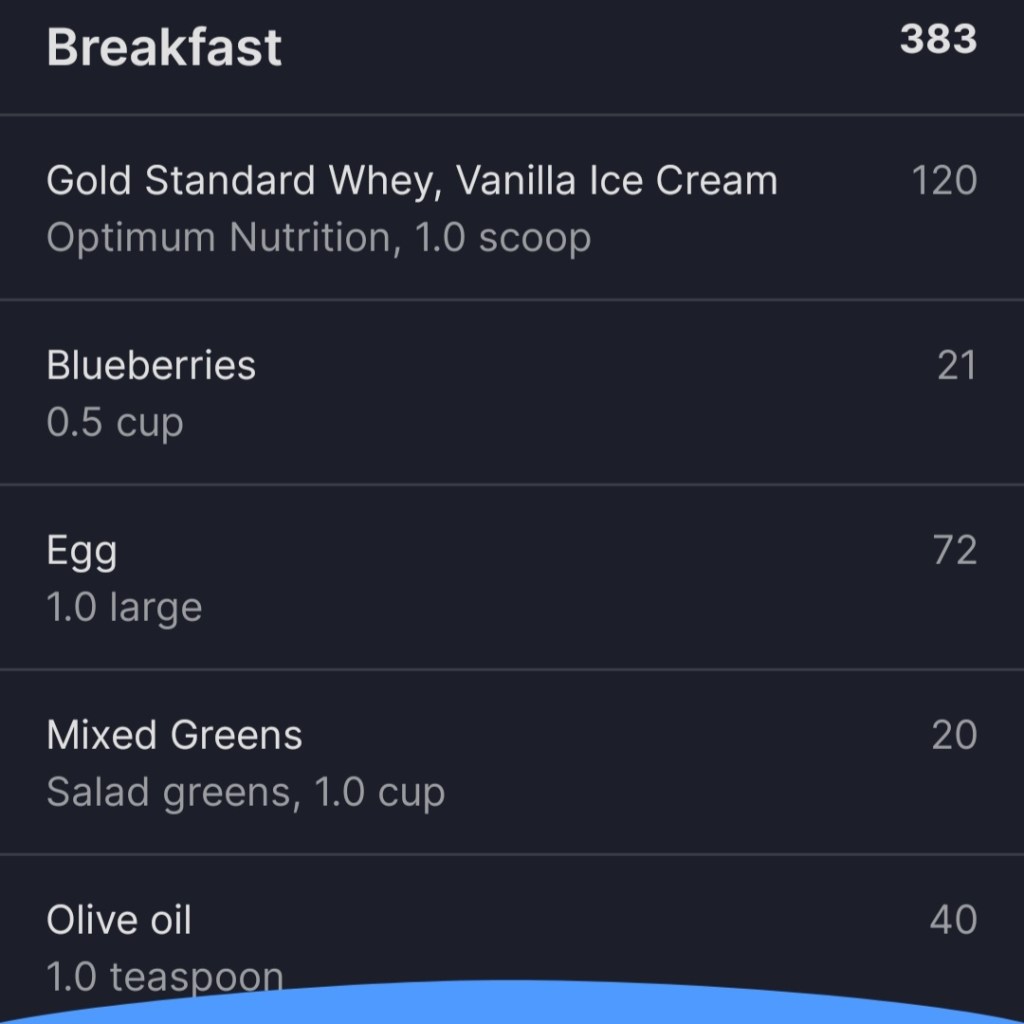
Other studies have shown that how and when people regularly track their food intake – whether it’s using pen and paper or online apps, tracking in the morning, or evening, or at each meal/snack time – has no significant impact on outcome. This means that as long as you are consistent, the method and timing you use to track doesn’t matter. You may prefer (and be more consistent with) writing your food intake down in a notebook, i.e. pen and paper tracking. Or you may find you track more easily when you enlist technology and engage in digital tracking. There are several online apps, which work on laptops, desktops, iPads or phones and mobile devices, for those of us who are never far from our phones. The best method for tracking your food is the one that you will use on a regular basis.
Many people do very well with tracking until they eat something unplanned or unhealthy. This is where the consistency really helps. Cookies happen. Happy hour may unintentionally turn into a full evening of overeating and drinking. Birthday cake from the best bakery in town may show up in the breakroom at work and you may not choose to pass it up. We’re not going to be perfectly healthy all of the time, but even if we don’t track it, our bodies will. Getting an honest picture of what you consume throughout the week helps you see patterns and make adjustments. It provides information about the effects of your eating plan and food choices. Continuing to track after eating something that wasn’t planned, or wasn’t nutritionally dense can help stop additional unplanned, unhealthy eating. Once I have tracked that piece of unexpected midafternoon cake, I generally find a way to adjust my dinner plans, rather than continue to eat more cake or stray further from my generally healthy path. Tracking what we eat no matter what allows us to carry on with our generally healthy life.
Consistent tracking is a proven indicator of weight loss success. There is no best way to track, and you don’t need to be perfect at it. Tracking takes time, but with practice it quickly becomes much easier, and as we become more efficient at doing it, we do it more consistently. Knowing this, take a look at your tracking habits and explore what could move you toward (or keep you in) the category of consistent trackers. Practice different methods and timing until you find what works best for you.
 Healthy Living with Liz