Beyond the Struggle

Someone dear to me shared they were proud of themselves for doing the hard work to lose weight, and sent me a vacation photo in which they are wearing only a swimsuit with no t-shirt or towel to cover up, for the first time in about 40 years. Along with the photo they typed “I don’t show that to anyone, but I know how you have had the struggles with weight like me. I could put it back on in a second if I’m not careful {Crying emoji}.”

Their last sentence is true for me, too, but without the tears. I am aware how easy it is to gain weight if I don’t maintain my healthy habits, so I make it a point to ENJOY those. Here’s how I do it.

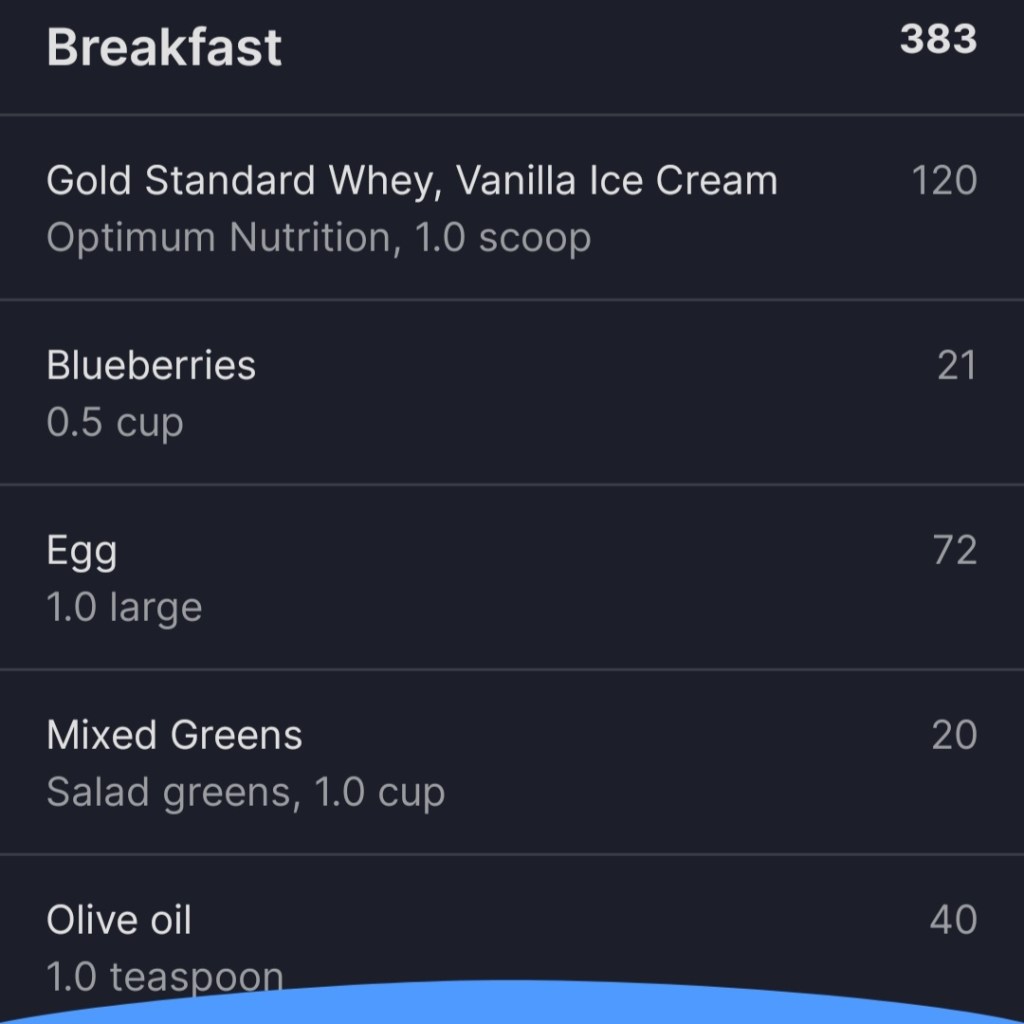
  • Track my food. Easy to do, and I love the freedom it gives me to make good decisions about what to enjoy. I use the free MyFitnessPal app, but there are several options out there, even writing it down in a small notebook if I am offline helps keep the awareness of what I consume. I am NOT an intuitive eater, for me tracking is a simple and effective way to monitor what I eat. Related, if I don’t enjoy it, I don’t eat it.
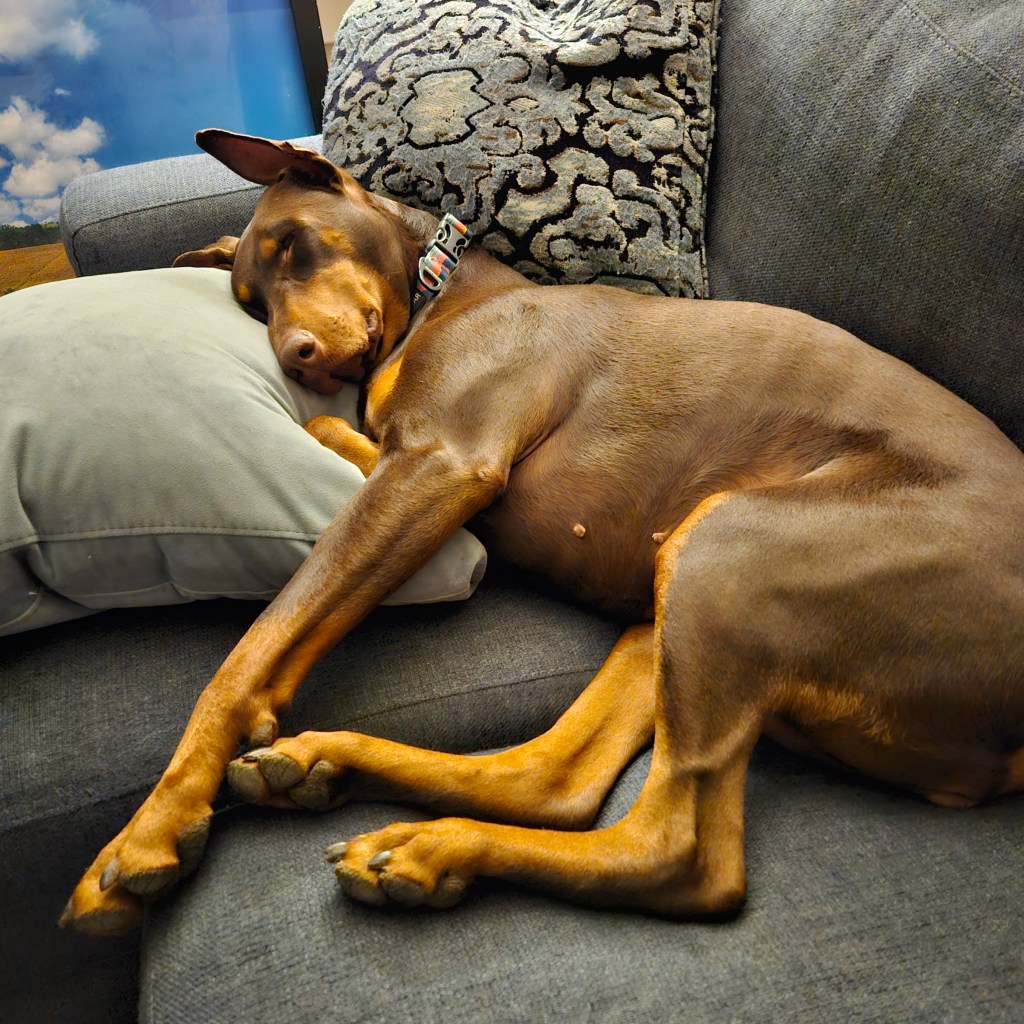
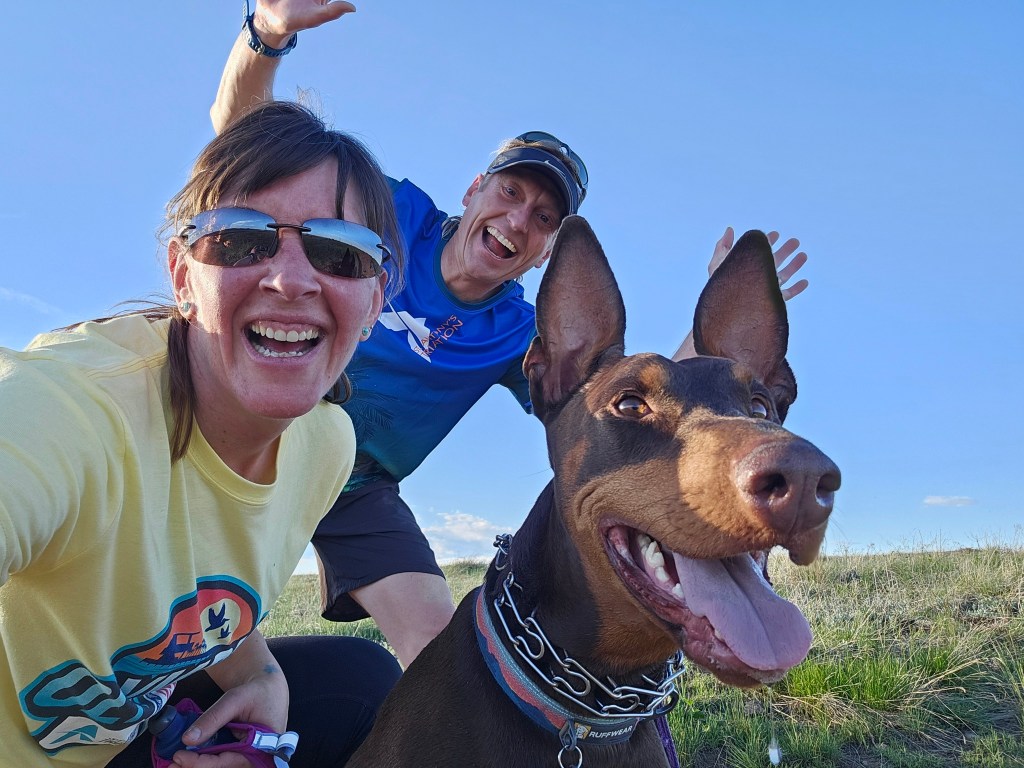
  • Get 30 minutes (or more) of movement every day. I LOVE moving my body in many ways, and I usually exceed 30 minutes by a lot! At a minimum, I walk the Dober Love for 30 minutes every day, but I usually add strength training, bike rides, runs, yoga or hikes to that total.
  • Minimize added sugar. I don’t drink sweetened beverages and I eat mostly whole foods. I get most of my sweet fixes from fruit, or a square of very good dark chocolate. I love desserts, but have them only rarely. I do really enjoy them once in a while. We don’t keep sugary foods in our house. I don’t bake as much as I used to, and when I do, I typically cut the sugar in the recipe, and I give a lot of whatever I made away.
  • Minimize alcohol. I gradually cut back from one drink per day to a drink once or twice per week. I also don’t drink at all the month before a big race. I am not sure I will ever be alcohol-free, but I am surprised that decreasing consumption wasn’t a hard change to make or continue. I do love craft breweries and it is dark beer season, so I typically get half-pours or 5 oz. tasters when we go out. If I want a cocktail, I make myself a ‘Baby Manhattan’ with one shot of bourbon and a half-shot of vermouth or cherry whiskey. It is the perfect amount for me.
  • Prioritize rest. I get enough sleep, and I make sure one day a week is a very low-intensity exercise day where I just walk the dog or do relaxing yoga.
  • Strength train regularly. I love Caroline Girvan’s online workouts, she has a lot of free series on her YouTube channel. When I’m not training for a race, I follow one of her programs (I just finished her Iron Series) and that means I am lifting 5x per week. When I am training for a race, I back that down to 2-3 sessions per week. Now I love strength training, I hired a personal trainer years ago and it was maybe the best money I ever spent on myself. Strength training, when done correctly will improve mobility, increase muscle mass, and change your body composition for the better. It can dramatically change how you look, improve your athletic performance and help you stay injury-free. As with anything else, you have to keep doing it to keep enjoying the results. I have no problem keeping this up as I love the activity and I love the results.
  • Take care of my mind and spirit. Every week I attend either a church or a yoga class, and the weeks I miss doing that, IT SHOWS. I can’t explain why there is a difference, but I can say with 100% certainty that my weeks go better when I spend one hour communing with the divine. And I remember that thoughts are not facts! I pay attention to how I talk to myself and do my best to keep that dialogue positive. I have enlisted professional help to deal with some of the big stuff in my past and my present. I have benefitted greatly from the wisdom of counselors and professionals who are trained to help us humans handle our own humanity. I actively work on my mental health in addition to my physical health.
  • HAVE FUN. This goes along with taking care of my mind and spirit, but seriously, we plan in our fun. These days that looks like a 3-hour birthday hike, a nice long bike ride to look at the fall colors, training for a race together or with friends, exploring a new trail… but it also includes going to parties and weddings, going out to dinner with friends, taking a drive to a new town, watching a good movie, or saddling up at the bar of our favorite restaurant for a casual meal together. Life is a gift and it’s up to us to enjoy it, so we make sure to include fun in our lives.

All this to say, the reason I feel like I no longer “struggle” with maintaining a healthy weight is because I changed how I live my life. And I really love how we’re living, so I want to keep it going. Our lifestyle does take effort, there is work to do, always, but being able to enjoy life with good health is so worth it. Make your life and your own healthy habits a journey you never want to end, and stay adaptable! You may need to change the approach, but not the goal of living a long, healthy life.

A Happy and Healthy Cinco de Mayo to You!

This is one of my favorite days of the year. I love how this date has evolved into a celebration of Mexican heritage and culture here in the US. It’s not Mexican Independence Day, it’s not really a widely celebrated holiday in Mexico, but here in the US, we use the victory of the Battle of Peubla against the Second French Empire to commemorate our relationship with our southern neighbors.

Several Mexican restaurants here in the US definitely take advantage and offer fantastic food and drink specials – because it’s a party, let’s all enjoy, right? Si! But what if we want to celebrate AND keep our healthy lifestyle going? Well, you can indeed do both. Here are some tips to enjoy the day and keep it a little on the healthier side. Try practicing what feels doable for you, even if it’s just one of these. These are not written so that you would do every single one all at once – they just give you some options if you’re looking to stick to a healthy plan while out enjoying Cinco de Mayo. Pick one (or more) and see how it goes.

  • Drink a glass of water at the start of your celebration, or even just before you walk in to wherever you’re celebrating.
  • Sparkling water with a lime wedge is a great fun beverage. It makes you feel like you’re having a cocktail without any of the calories or impaired judgement that comes with alcohol consumption.
  • If you choose to enjoy alcoholic beverages, alternate with a full glass of water. Water, then alcohol, then water, then alcohol. Ask for a large water glass and finish it completely before you order the next drink.
  • Opt for consuming a single alcoholic beverage. Stick to your plan – if they are doing BOGO (buy one get one free) then pass the free drink along to a friend or stranger.
  • Enjoy a Corona Light or a “Ranch Water Margarita” (tequila + Topo Chico [or any sparkling mineral water] + lime juice) rather than a traditional margarita to save a lot of calories and excess sugar consumption.
  • Skip the chips – you can ask the server not to bring them, if that helps you do so (and if your dining companions are OK with it!)
  • Chips on the table and you don’t want to consume too many? Put a reasonable amount that you will be satisfied with – whatever that looks like, to you – on a plate and eat only from the plate, not the big basket.
  • Dip chips in salsa or guac rather than queso. If there’s guac and you’re concerned you may eat more than you intend, put a reasonable amount that you will be satisfied with on a plate, and eat only from the plate. [That works for the queso too, if you choose to consume it!]
  • Want a crunch to munch, but don’t want it to be all chips? You may be able to order raw veggies – ask the server, even if it’s not on the menu. Carrot “chips” and sliced bell peppers are becoming more widely served, and both are great for dipping.
  • Dinner – order a la carte! Pick two or three favorites (single taco, single enchilada, refried beans, etc.) You may be surprised how satisfied you feel with a soft chicken taco and a side of black beans.
  • Split an entree with someone, including your future self. If your dining companion(s) prefer to order their own entrees, ask the server to bring a box out with your meal. Put tomorrow’s food into that to-go box before you start eating. (You can even add to the box again if you realize you’re full before you finish what’s on your plate!)
  • Order the healthiest option on the menu. Many very healthy Mexican dishes exist – seafoods, lean steak, seasoned chicken and vegetables. You may find a new favorite menu item you had never considered, just by aiming to order the healthiest thing available.
  • Get up and dance, or take a short walk after your meal. It is unlikely you will burn off what you just consumed, but getting even 10 minutes of movement right after eating/drinking can reduce the impact on your blood sugars and keep you energized, rather than feeling lethargic.

Obviously at 5:15 p.m. I may be a bit late for you to take these to heart today, but let’s assume you may go out for Mexican food in the not-too-distant future – hopefully these tips can help you make choices you are happy about! Don’t overthink it, and don’t deprive yourself of enjoying the things you really want, as that can lead you to overconsume other things, or The Wanted Thing the next time you see it. (i.e. don’t skip the margarita you are dying to have, then consume 4 beers and some sopapillas you didn’t intend to eat, and likely will not be satisfied with – just enjoy the margarita and move on.) Drink and eat what you’ll enjoy. And if you do end up overindulging, just resume normal operations and do the best you can to make your next decision a good one.

Vaya con Dios!

Building Consistency

Sweaty selfie after today’s ride.
I consistently bike every Monday.

Big goals are great motivators. There is nothing like setting a challenge for ourselves to provide us with inspiration and a burst of motivation. Ask any everyday athlete who is having a hard time sticking to a training schedule – once they put a race or event on their calendar, motivation to workout usually increases significantly, for a little while, at least!

But what if the goal is not so big or challenging? What if we’re looking to generally “be healthy”, or cut back drinking, or make it into our eighties and still be able to travel the world? Whether we’re looking at big milestone events or small (but significant) overall health goals, they key is to remember that big achievements don’t happen overnight, they happen over the long term with small, consistent efforts that build over time. And these small, consistent efforts can lead to big, long-term success.

The first step to building consistency is to get honest and specific about your goal. Write down what you want, and WHY you want to attain it. Don’t skip the “why” part! It will give you insight as to what is really important to you. It’s one thing to say you want to lower your blood pressure or diabetes risk, it’s another to understand you’re doing that because you want to live longer, have more energy and be able to move easily through life without worrying about your health. That WHY can really clarify your personal goal.

The next step is to identify the small goals and milestones that are doable for you, that point you in the direction of the bigger goal. For example, if your big goal is to move for 30 minutes per day, every day, the first small step may be to identify indoor and outdoor activities you enjoy and can reasonably participate in. Or the first step may be finding time to move on weekdays, maybe even just one weekday. Upon identifying the small actions you can take, the next step is planning a good time to do those actions. Schedule it. Choose days and times in the week you can commit to act, even if it’s only one day or two days, and only for 10 minutes each day.

Then comes action – you have to do it – and with it, repetition. Any action we take in pursuit of our overall goals should be easily repeatable. If the action is tough to accomplish or repeat, that is a sign that the small goal needs to be broken down further or revised. Back to the movement example, if your intent was to walk ten minutes a day for two days this week, and you pegged your lunch break as a good time to do it, but it only happened once, revisit the strategy or the goal. Maybe an early walk or two five-minute walks at the start and end of the workday are more doable if you frequently have lunch meetings or deadlines that make leaving your desk in the middle of the day difficult. Revise to what is repeatable.

Once you can easily repeat the small action, congratulations! You’ve established consistency and you’re ready to build on it. You can increase frequency, intensity or duration, in small, doable amounts. Schedule those small add-ons, take action to complete them, evaluate and revise as needed, and repeat.

Note that building consistency does not include creating a timeline – take the timeline off the table, for now. Focus on gradually incorporating habits and actions in a way you will continue doing them, keeping in mind that building consistency is a process that takes time, along with some trial and error. The process also does not require perfect execution. Just because you can’t hit 100% of your goal doesn’t mean you can’t do some of it. Four intentional minutes is better than zero intentional minutes and still helps establish routine, which turns into consistency. Trust that you will find what works for you long term, and don’t let a self-imposed deadline nor the pursuit of perfection get in the way of successfully building a healthier you.

So, to summarize the steps to build consistency:

  • Identify the big goal and why you want it.
  • Break that goal into small, doable steps (smaller goals and actions).
  • Schedule a time to do the small steps and take action to complete them (even partway).
    • Evaluate and revise, if needed.
  • Repeat the action regularly. Once repetition is easy, build on it.
  • Forgo timelines and perfection; give yourself credit for moving towards being the healthiest version of you.

And remember, as far as goals go:

If you are persistent, you will get it, if you are consistent, you will keep it.

I’d love to hear about your consistently healthy routines, and how you made them part of your every day life. Please share in the comments or send me an email!

Healthy Coping Mechanisms

Life doesn’t always go the way we want it to go. Maybe someone cuts us off in traffic or is rude to us at the grocery store. Maybe we don’t make the sale, maybe we or our loved ones get sick, maybe we get injured. Maybe a coworker takes credit for our work, or maybe we even lose our job. Bad things happen, and a lot of times, we can’t control that or keep them from happening, no matter how much mitigation we do.

When life throws us a curve ball, it’s normal to feel upset. We’re human and we were blessed with emotions that WILL come out. It can be incredibly tempting to reach for comfort in the form of food or alcohol, or to throw things at the wall, punch something or curse out the person who did you wrong. All of these choices might relieve the pressure we feel for a moment, but that relief vanishes quicky as we realize we just brought more problems into our life. These types of knee-jerk reactions may be habits that are ingrained, and while these habits may be hard to change, with practice, change is possible.

Personally, my knee-jerk reaction to That Bad Thing is to reach for food or alcohol, but those coping mechanisms don’t get me toward my goal of being the healthiest me I can be. I use this phrase – I will not eat nor drink my feelings – to remind myself that I don’t want to do this. And then I pick a better response from my list of healthy coping mechanisms, which I keep in a Notes app on my phone. You can create your own list that you can use when your emotions start to run high. It should be varied with things that you can do quickly, or for longer periods, indoors, outdoors, alone and with others. Some examples:

  • Walk outside – down the driveway, around the block, or for a mile.
  • Stand up and stretch.
  • Drink a glass of water.
  • Make a cup of tea.
  • Cry it out – crying is a great release. As is screaming into a pillow.
  • Throw rocks into the ground in your backyard or somewhere it is safe to do so.
  • Call a friend.
  • Paint your nails. (Not just for the ladies, gents too!)
  • Take a long hot shower or bath.
  • Listen to your favorite song.
  • Make a playlist of songs that lift you up and keep it where you can access it (Spotify, Pandora, Apple, etc.)
  • Clean a shelf or a drawer, or an entire room – cleaning is very cathartic and the end result is generally satisfying!
  • Write a thank you note or a “just to say hello” note to mail to a friend or loved one.
  • Journal (write your feelings down).
  • Pet or play with the dog/cat.
  • Watch an uplifting movie, or silly animal videos like this Animal Beatbox one.
  • Go to the gym to blow off some steam, or do a home workout video. Movement helps.
  • Walk around the park or neighborhood. Again, movement helps.
  • Take five long deep breaths with your eyes closed.
  • Save the photos on your phone to another location, even print or order prints of some of your favorites. (Yes, you can still do that!)

None of these things are intended to make the bad thing go away, diminish the problem, or solve it. BUT they are responses that can help us process difficult emotions and shift toward reacting to That Bad Thing in a healthy way. Once you have your list, keep it handy so you can refer to it easily and choose a response that keeps you moving toward your health goals. The more you choose a healthy response, the more automatic it becomes. And, full disclosure, I’m not 100% successful at automatically choosing well – I’m human, not perfect! But I’ve gotten a whole lot better with practice. You will, too.

Got a favorite healthy way to cope when the going gets tough? Share in the comments below!

Set Yourself up for Success

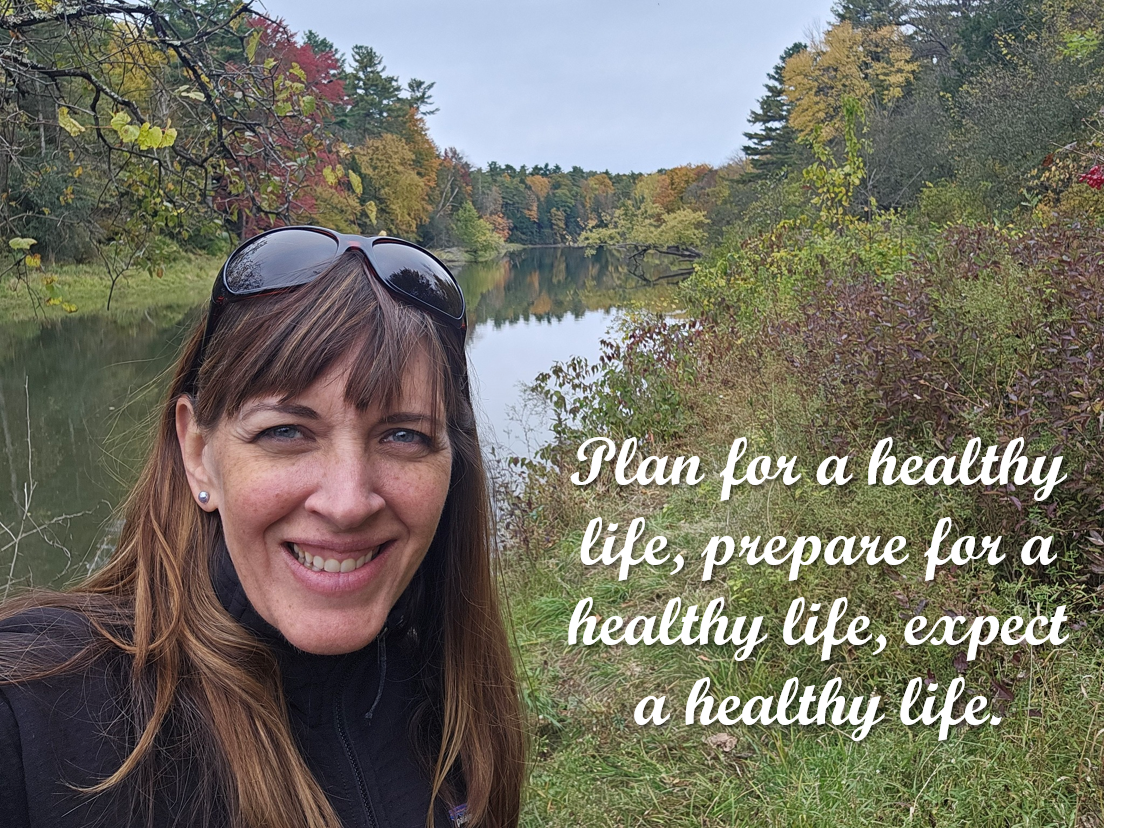
When I was rowing, one of our team mantras from our coaches was “Plan to win, prepare to win, expect to win.” When we planned and prepared to win, we did. Our team had the most successful season when we kept that phrase and mentality front and center. Everything we did was focused on the expectation to win. It wasn’t luck. It was effort to plan and prepare for it. If we plan and prepare for the thing we want, we can expect to do it.

Halloween is this week, and whether or not you have trick-or-treaters visit your house, it is likely you may encounter some extra candy or other fall “treats” this week. When that happens, how do you want to handle it? If you expect to have candy or favorite treats in the house or at work, what will keep you on your path toward your Best Healthy Self?

There is absolutely nothing wrong with enjoying some of your favorite fall treats, or any treats. Food is fun, seasonal food can be extra fun, and whether or not they are healthy foods, fun foods are part of an overall healthy eating pattern. Swearing off a particular food or food group tends to backfire and lead us to eat more or eat “around” the thing we actually want to enjoy. So, make a plan to incorporate fun types of foods – whether or not they are healthy – within the context of your healthy life. Balance less-healthy foods out with mostly good nutritional choices. Keep up with daily movement you like doing. Plan how you can savor and enjoy the foods you love, then move on to the next healthy thing to keep that healthy life going.

Specifically talking about Halloween this week, if you get trick-or-treaters, you may opt to buy candy you don’t like to hand out to the kids, therefore removing the temptation to eat any. Or you may opt not to buy candy or hand it out at all. But what happens if you buy candy you like, or are faced with candy/treats you like in some other environment, what is your plan for that? Consider how much of it you want to enjoy, and when and how you will enjoy it. What is your plan for handling any leftover candy or facing favorite fall treats, and maintaining your healthy lifestyle?

We get trick-or-treaters for Halloween, and I bought candy I like. I allow myself to eat as much candy as I want on Halloween Day only, as long as it fits into my overall nutritional goals. For me, that usually looks like starting the day with my normal workout, eating my normal healthy meals and still having enough extra calories/WW points available to enjoy one or two pieces of my favorite candy. I eat those pieces at some point in the day when I am not distracted, so that I can fully enjoy them. After the trick-or-treaters are done, I bag up any extra candy we have left and seal it for donation to a local hospital that takes candy for their staff and families of their patients. I have found it is easy for me to manage enjoying a couple pieces of candy for one day, but it is hard for me to continue managing that for several days if the candy is in my house, so I choose to get rid of any extra candy and carry on with my healthy life the day after Halloween. This is my plan for handling and enjoying some Halloween candy, and it works really well for me, but it may not work for you.

Take a minute to think about how you want your Halloween to go, and what the day after will look like. Halloween is one day, and here on Halloween week, don’t leave your healthy lifestyle up to chance or luck. You are worth the effort to make a plan, prepare for and follow that plan, and expect to continue living a generally healthy life.

Rest and Recovery

A healthy life includes a healthy amount of down-time to let your body recharge and repair. Sleep is certainly a big part of this, but rest encompasses more than that. It’s a way for us to recover from exercise or training, and to prevent (or come back from) injuries and illness.

In terms of sleep, most healthy adults need seven hours of sleep per night. According to Dr. Olson from the Mayo Clinic, “For adults, getting less than seven hours of sleep on a regular basis has been linked with poor health, including weight gain, having a body mass index of 30 or higher, diabetes, high blood pressure, heart disease, stroke and depression.” If you have a sleep tracker on your watch, review it to see if you are getting at least the recommended seven hours. If you don’t have a sleep tracker, make a note of how much sleep you get each night this week and over the weekend. Use the information to see if you might need to make some adjustments.

If you’re active or training for an event, it’s important to take periodic rest days during your training. When you exercise intensely, you create small tears in your muscles (this is the soreness you feel after hard physical effort). When you rest, you allow those tears to heal, which strengthens your muscles. Rest is essential to allow your body to recover from the hard work it’s been doing and repair your muscles from the stress they’ve been under. Good training programs take this into account and have rest days built into the series. Periodic rest also prevents overuse which can lead to injury. Experts recommend taking at least one day off each week, to help your body recuperate.

An active man in his mid-forties asked “if there was “Is there something I can take to have more energy later in the day, to combat fatigue?” The answer isn’t a taking a supplement, or a shot of caffeine, but… TAKE A NAP! Short naps are a great way to recharge your body, and if you keep them under half an hour, they are unlikely to interfere with getting the recommended seven hours of sleep per night.

Obviously, none of us want to be sidelined due to injury or illness, but sometimes these things happen, and when they do, rest and sleep are extremely important for healing. It is very important to follow any instructions from a doctor or your physical therapist as you recover. Forced downtime from injury or illness is temporary, and trying to push or “accelerate” your recovery by doing more than prescribed will only prolong the time it takes for you to get back to 100%. As hard as it may be, don’t exert more energy than absolutely necessary if you are sick or injured, as doing so will only impede your recovery.

As we come into fall it’s important to keep our bodies as resistant to illness and injury as possible, and getting adequate rest is one of the best steps we can take to help ourselves. Aim to get the recommended seven hours of sleep per night. If you’re feeling extra sluggish as the afternoon goes on, try working in a nap or some time on the couch or recliner with your feet up. If you’re not feeling well, increase your rest. Rest is part of your wellness, so rest up and allow those energy stores to build!

Let’s Talk About Tracking

Research shows that people who consistently track their food intake have more success losing weight and keeping it off. One study followed participants for a year and found that people who completed a food diary at least five days of each week showed significant and sustained weight loss over time as compared to those who tracked fewer days during the program. This study also concluded that inconsistent tracking did not impact weight loss, and individuals who tracked inconsistently did not differ in their overall weight loss from those who rarely track. So, it’s not a sliding scale – participants were either consistently tracking and successful at losing/maintaining weight, or they were not.

Other studies have shown that how and when people regularly track their food intake – whether it’s using pen and paper or online apps, tracking in the morning, or evening, or at each meal/snack time – has no significant impact on outcome. This means that as long as you are consistent, the method and timing you use to track doesn’t matter. You may prefer (and be more consistent with) writing your food intake down in a notebook, i.e. pen and paper tracking. Or you may find you track more easily when you enlist technology and engage in digital tracking. There are several online apps, which work on laptops, desktops, iPads or phones and mobile devices, for those of us who are never far from our phones. The best method for tracking your food is the one that you will use on a regular basis.

Many people do very well with tracking until they eat something unplanned or unhealthy. This is where the consistency really helps. Cookies happen. Happy hour may unintentionally turn into a full evening of overeating and drinking. Birthday cake from the best bakery in town may show up in the breakroom at work and you may not choose to pass it up. We’re not going to be perfectly healthy all of the time, but even if we don’t track it, our bodies will. Getting an honest picture of what you consume throughout the week helps you see patterns and make adjustments. It provides information about the effects of your eating plan and food choices. Continuing to track after eating something that wasn’t planned, or wasn’t nutritionally dense can help stop additional unplanned, unhealthy eating. Once I have tracked that piece of unexpected midafternoon cake, I generally find a way to adjust my dinner plans, rather than continue to eat more cake or stray further from my generally healthy path. Tracking what we eat no matter what allows us to carry on with our generally healthy life.

Consistent tracking is a proven indicator of weight loss success. There is no best way to track, and you don’t need to be perfect at it. Tracking takes time, but with practice it quickly becomes much easier, and as we become more efficient at doing it, we do it more consistently. Knowing this, take a look at your tracking habits and explore what could move you toward (or keep you in) the category of consistent trackers. Practice different methods and timing until you find what works best for you.

Healthy Living

Family fun time on a trail run in Golden this spring.

It’s not just about living, it’s about living well. Some people can seem old in their forties, and others appear physically young in their eighties. Healthy living puts people into that second category. Many studies have shown that five areas have the greatest impact on longevity:

  1. Healthy diet – one that consists of plenty of fruits and vegetables, nuts, whole grains and healthy fats, with low consumption of processed meats, added sugars and sugar-sweetened beverages, foods with high levels of sodium, saturated fat, or trans fats.
  2. Healthy physical activity level – at least 30 minutes per day of moderate to vigorous activity.
  3. Healthy body weight – having a normal BMI (18.5 and 21.9).
  4. Abstaining from tobacco and recreational drug use.
  5. Moderate alcohol intake – no more than one drink per day for women and two per day for men. One drink is equivalent to a regular 12 oz. beer, a 5 oz. glass of wine or 1.5 oz. of liquor.

A 2018 Harvard School of Public Health study found that people (men and women) who incorporated just one of these five areas into their lives lived two years longer than the average life expectancy. If their lifestyle included all five, women lived 14 years longer and men lived 12 years longer than people who didn’t meet any of these criteria.

No matter where we are on the “healthy lifestyle” spectrum, we can make small changes to any one of the five areas listed above to improve our health. Little changes that we can be consistent with will move us towards being our best healthy self. We’re never too old, and it’s never too late. Achieving and maintaining a healthy lifestyle doesn’t happen overnight, but with small, consistent behaviors, it happens.

And that brings me to the mental component. Mindset matters. In the words of Dale Carnegie, “Whether you think you can, or think you can’t, you’re right.” There is no special magic bestowed upon people who live healthy lives, which you do not also possess. Believe you can be healthy and keep the faith when it gets hard. Recognize no one lives a perfectly healthy lifestyle all of the time, so give yourself grace as you pursue your version of “Healthy Me.”

I plan to share science, tips, personal anecdotes and other info related to healthy living here on this blog. I’m aiming for a cadence of posting on Mondays and Thursdays, so look out for new posts then, or feel free to subscribe. I hope you have a great healthy end to your week!