We’re ten weeks away from Halloween. Mentally and physically, how do you want to feel when you get there? Once you answer this, you can set up an actionable plan to make that happen. If it’s too much to try to figure out improvements in both areas, pick one to focus on, and set your intention. Be realistic – think about what you have coming up as summer wraps up and fall begins.
When Halloween comes, I want to feel mentally ___________________________________________.
When Halloween comes, I want to feel physically __________________________________________.
Once you have a goal (or goals) in mind, think of a step you can take each week to make it happen. For example, if your goal is feel mentally zen, maybe a weekly yoga or art class will help. If your goal is to feel physically good while running a 5K, take a look at online programs you might be able to follow, like the Couch to 5K (C25K) program. The goal should be personally important to you, something you believe will enrich your life, and something you will look forward to pursuing.
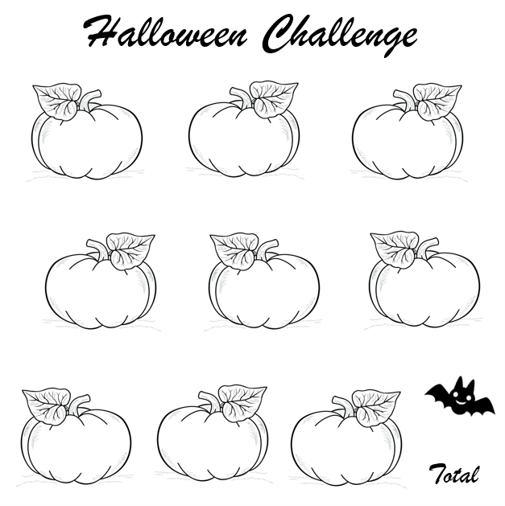
Years ago, I had a goal to lose weight and since I’m a visual person, I made myself this template to track my weight loss up until Halloween. It was helpful for me to see my progress. You can use the template any way you want, for example give yourself a star or color in a pumpkin for each week you take a step toward your goal. Screenshot it or print it out, write your goal on it, and use the next ten weeks to move toward it!
‘Tis the season for zucchini, and if you have a lot of it, chances are you are putting it into everything you can, including zucchini bread. I love making quick breads, but I generally don’t love all the sugar and oil found in many of the recipes. I’ve had two friends share excellent healthy versions of different zucchini breads, which I’ll pass along here. Both these recipes have their own nutritional info posted on their websites, however their serving sizes differ from mine. Whenever I make quick breads, it’s generally in a 9″x5″ loaf pan, and I slice each loaf into twelve slices. (This also means if I want to make muffins out of the batter, instead of bread, I have the same nutritional info per serving.) So here, I’ll post the nutritional info for 1/12th of the recipe.
Most quick breads, including these, can be frozen after slicing – just let them cool completely, wrap the bread well in plastic wrap, and then use a second layer of aluminum foil or a quality freezer bag. Slicing the bread immediately helps manage portions (I mean, a slice could *technically* be as large as we’d like!) and if you track your food intake, the portioning sets you up for accurate tracking. Freezing breads (or muffins) lets you enjoy some the fruits of your labor now, without the need to manage the calories in an entire loaf. The other bonus to freezing is you get to enjoy more of the good stuff at a later date, without having to do any of the work!
So now, the recipes. The first is a Healthy Chocolate Chip Zucchini Bread. I think it’s perfectly sweetened as-is, with or without the chocolate chips. I have made it with unsweetened applesauce instead of the oil, but in this case the oil version (as-is) is much better and it’s still fairly low-fat and calories. Personally, I prefer this bread refrigerated. I generally don’t like quick breads with chocolate chips, but this recipe is the exception – it is very delicious whether or not you choose to include them! The second recipe is a Blueberry Zucchini Bread from Skinnytaste, and is also delightful as-is.
Research shows that people who consistently track their food intake have more success losing weight and keeping it off. One study followed participants for a year and found that people who completed a food diary at least five days of each week showed significant and sustained weight loss over time as compared to those who tracked fewer days during the program. This study also concluded that inconsistent tracking did not impact weight loss, and individuals who tracked inconsistently did not differ in their overall weight loss from those who rarely track. So, it’s not a sliding scale – participants were either consistently tracking and successful at losing/maintaining weight, or they were not.
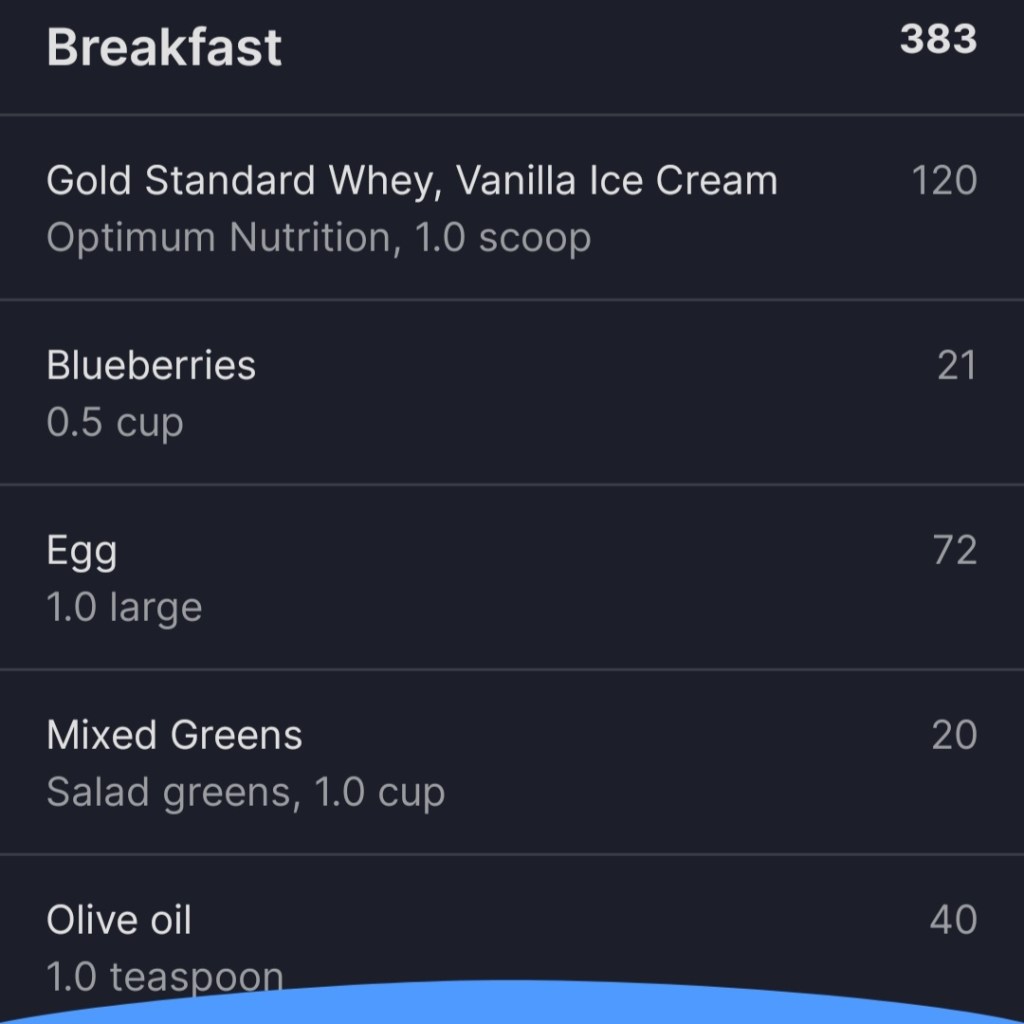
Other studies have shown that how and when people regularly track their food intake – whether it’s using pen and paper or online apps, tracking in the morning, or evening, or at each meal/snack time – has no significant impact on outcome. This means that as long as you are consistent, the method and timing you use to track doesn’t matter. You may prefer (and be more consistent with) writing your food intake down in a notebook, i.e. pen and paper tracking. Or you may find you track more easily when you enlist technology and engage in digital tracking. There are several online apps, which work on laptops, desktops, iPads or phones and mobile devices, for those of us who are never far from our phones. The best method for tracking your food is the one that you will use on a regular basis.
Many people do very well with tracking until they eat something unplanned or unhealthy. This is where the consistency really helps. Cookies happen. Happy hour may unintentionally turn into a full evening of overeating and drinking. Birthday cake from the best bakery in town may show up in the breakroom at work and you may not choose to pass it up. We’re not going to be perfectly healthy all of the time, but even if we don’t track it, our bodies will. Getting an honest picture of what you consume throughout the week helps you see patterns and make adjustments. It provides information about the effects of your eating plan and food choices. Continuing to track after eating something that wasn’t planned, or wasn’t nutritionally dense can help stop additional unplanned, unhealthy eating. Once I have tracked that piece of unexpected midafternoon cake, I generally find a way to adjust my dinner plans, rather than continue to eat more cake or stray further from my generally healthy path. Tracking what we eat no matter what allows us to carry on with our generally healthy life.
Consistent tracking is a proven indicator of weight loss success. There is no best way to track, and you don’t need to be perfect at it. Tracking takes time, but with practice it quickly becomes much easier, and as we become more efficient at doing it, we do it more consistently. Knowing this, take a look at your tracking habits and explore what could move you toward (or keep you in) the category of consistent trackers. Practice different methods and timing until you find what works best for you.
Family fun time on a trail run in Golden this spring.
It’s not just about living, it’s about living well. Some people can seem old in their forties, and others appear physically young in their eighties. Healthy living puts people into that second category. Many studies have shown that five areas have the greatest impact on longevity:
Healthy diet – one that consists of plenty of fruits and vegetables, nuts, whole grains and healthy fats, with low consumption of processed meats, added sugars and sugar-sweetened beverages, foods with high levels of sodium, saturated fat, or trans fats.
Healthy physical activity level – at least 30 minutes per day of moderate to vigorous activity.
Healthy body weight – having a normal BMI (18.5 and 21.9).
Abstaining from tobacco and recreational drug use.
Moderate alcohol intake – no more than one drink per day for women and two per day for men. One drink is equivalent to a regular 12 oz. beer, a 5 oz. glass of wine or 1.5 oz. of liquor.
A 2018 Harvard School of Public Health study found that people (men and women) who incorporated just one of these five areas into their lives lived two years longer than the average life expectancy. If their lifestyle included all five, women lived 14 years longer and men lived 12 years longer than people who didn’t meet any of these criteria.
No matter where we are on the “healthy lifestyle” spectrum, we can make small changes to any one of the five areas listed above to improve our health. Little changes that we can be consistent with will move us towards being our best healthy self. We’re never too old, and it’s never too late. Achieving and maintaining a healthy lifestyle doesn’t happen overnight, but with small, consistent behaviors, it happens.
And that brings me to the mental component. Mindset matters. In the words of Dale Carnegie, “Whether you think you can, or think you can’t, you’re right.” There is no special magic bestowed upon people who live healthy lives, which you do not also possess. Believe you can be healthy and keep the faith when it gets hard. Recognize no one lives a perfectly healthy lifestyle all of the time, so give yourself grace as you pursue your version of “Healthy Me.”
I plan to share science, tips, personal anecdotes and other info related to healthy living here on this blog. I’m aiming for a cadence of posting on Mondays and Thursdays, so look out for new posts then, or feel free to subscribe. I hope you have a great healthy end to your week!



 Healthy Living with Liz